About


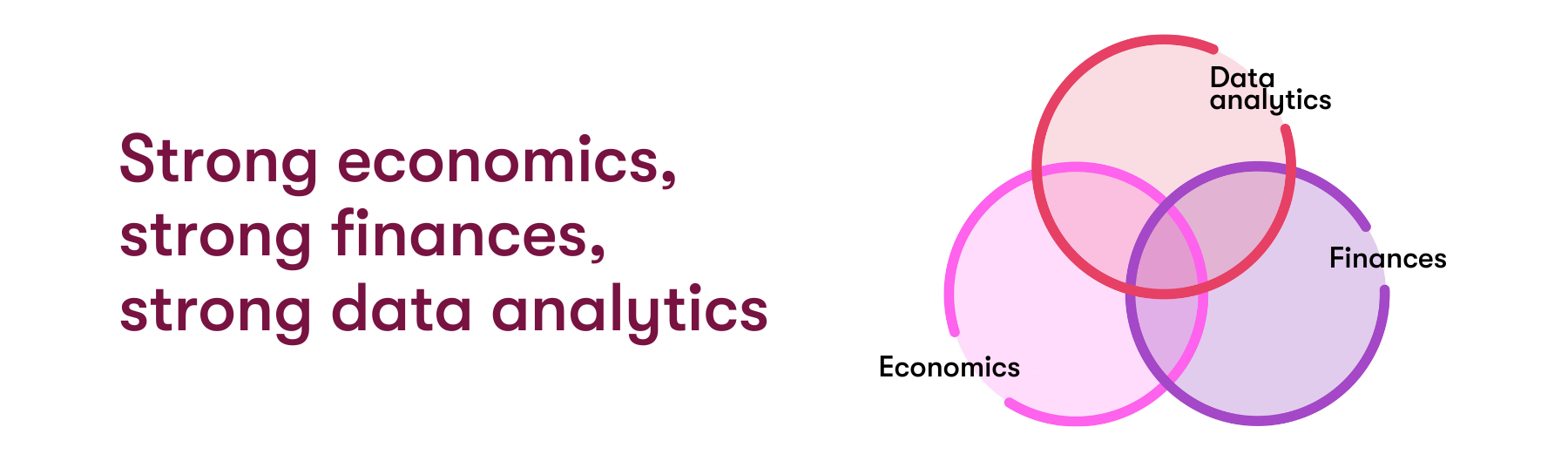
The renewed Economics and Finance study programme focuses on developing competencies in three study fields: economics, finance and data analysis. The Economics and Finance study programme is crucial for strong data analysis skills, since companies today are generating massive amounts of data, the professional analysis of which ensures strong market positions and sustainable business development. At the same time, the growth of the Lithuanian Fintech sector necessitates an understanding of technology-driven financial products and services, as well as their regulatory environment and future growth trends. In addition to high-quality research knowledge, this study programme allows students to structure their study programme plan: in the third and fourth years of study, students are able to choose from a number of different subjects, taught in either Lithuanian or English. The quality of these studies is also determined by highly qualified lecturers, who are carrying out research in microeconomics, economic policy, environmental economics, application of statistics and econometrics, economics of social security, economic demography, corporate finance, public finance, financial technology, financial markets, and other fields.
All international applicants must meet the general admission requirements.
Important admission note for non-EU/EFTA applicants: The gap since completing your secondary education must not exceed five years.
For more information please write to the Faculty academic coordinator:
You will learn
- Applying modern quantitative analysis methods, you will be able to examine and evaluate a wide range of economic and financial phenomena, understand their patterns, causes and interrelation.
- You will gain an understanding of global problems such as climate change, hunger, poverty, regional income differentiation, health inequality, and etc.
- You will gain an understanding of commercial and central banking, the functioning of financial institutions and financial technologies.
- You will be able to propose economic policy measures based on economic and financial empirical evidence, as well as critical argumentation.
- You will be able to carry out economic and financial analyses of companies, organisations and different sectors.
- You will gain valuable skills necessary for the independent management of personal finances.
- You will be able to work in a team and develop leadership competencies in accordance with ethical and social principles of responsibility.
Study Overview
Each course combines theoretical knowledge with practice in the form of seminars, discussions, group projects, as well as case study analysis. The study of economics especially encourages teamwork, which aids students in developing responsibility and leadership competencies, which are highly valued in the labour market. Seminars based on open discussions help students develop public speaking, critical and logical thinking skills. Working on projects and case studies helps students critically analyse economic and financial phenomena. Statistical and data analysis skills are developed in modern computer laboratories, where students learn how to use statistical analysis and data visualization software, as well as how to analyse real-time data on financial markets, provided by the Bloomberg terminal. Almost every course is also taught by guest lecturers who are professionals in the fields of economics or finance. These guest lectures provide students with the opportunity for networking with potential internship companies and institutions.
The compulsory internship is a way to try out a career and find a dream career pathway. Each student is assigned an internship supervisor, who assists the student with evaluating possible internship opportunities that would allow them try out a sought-after career. FEBA works closely with both business and public institutions in order to help students find internship placements. In most cases, students are able to find paid internships that eventually develop into successful working relationships. The overall employability rate for the programme’s graduates exceeds 80%.

Lecturers
 Justina Klimavičiūtė
 Giedrė Dzemydaitė
 Romas Lazutka
 Algirdas Bartkus
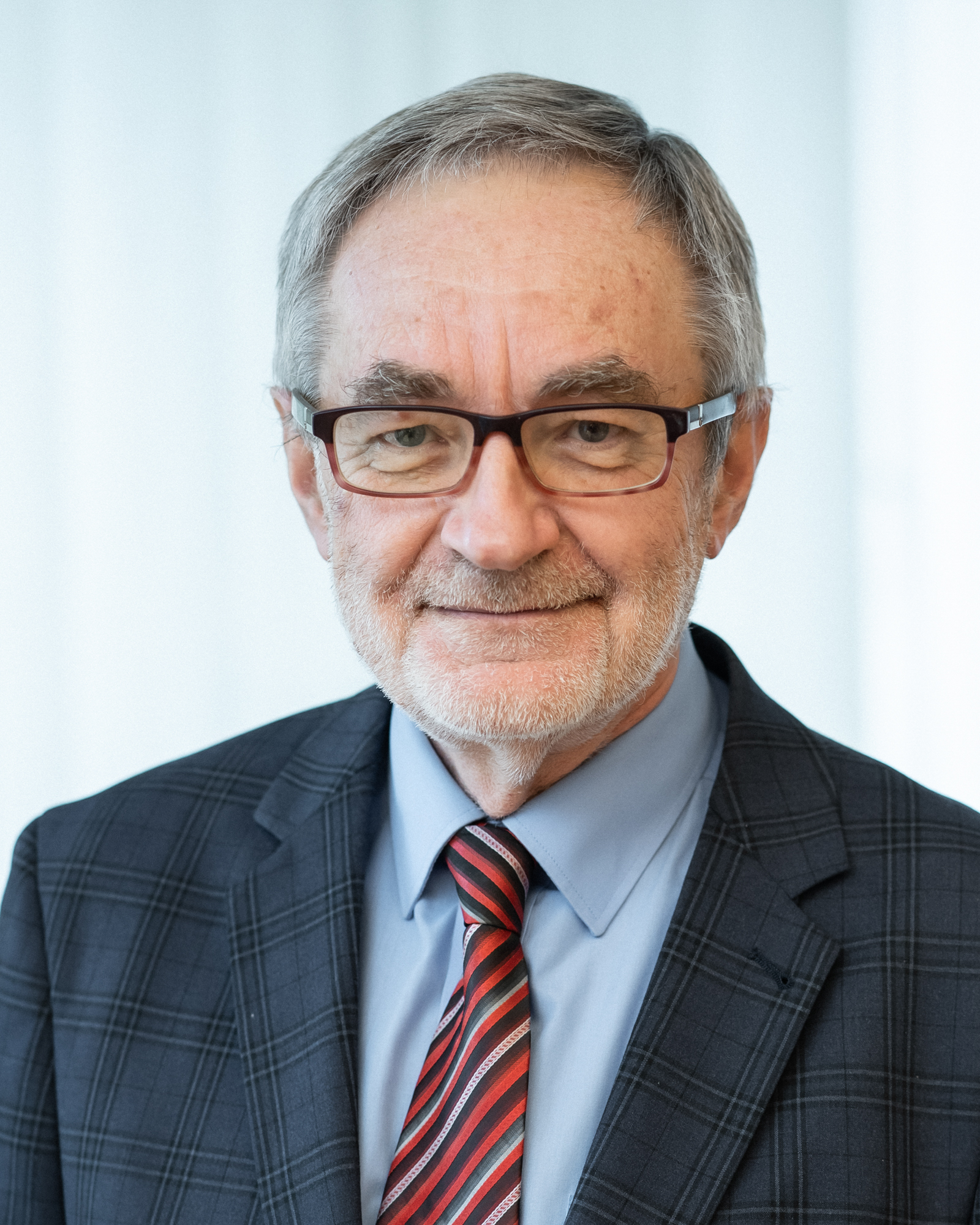 Teodoras Medaiskis
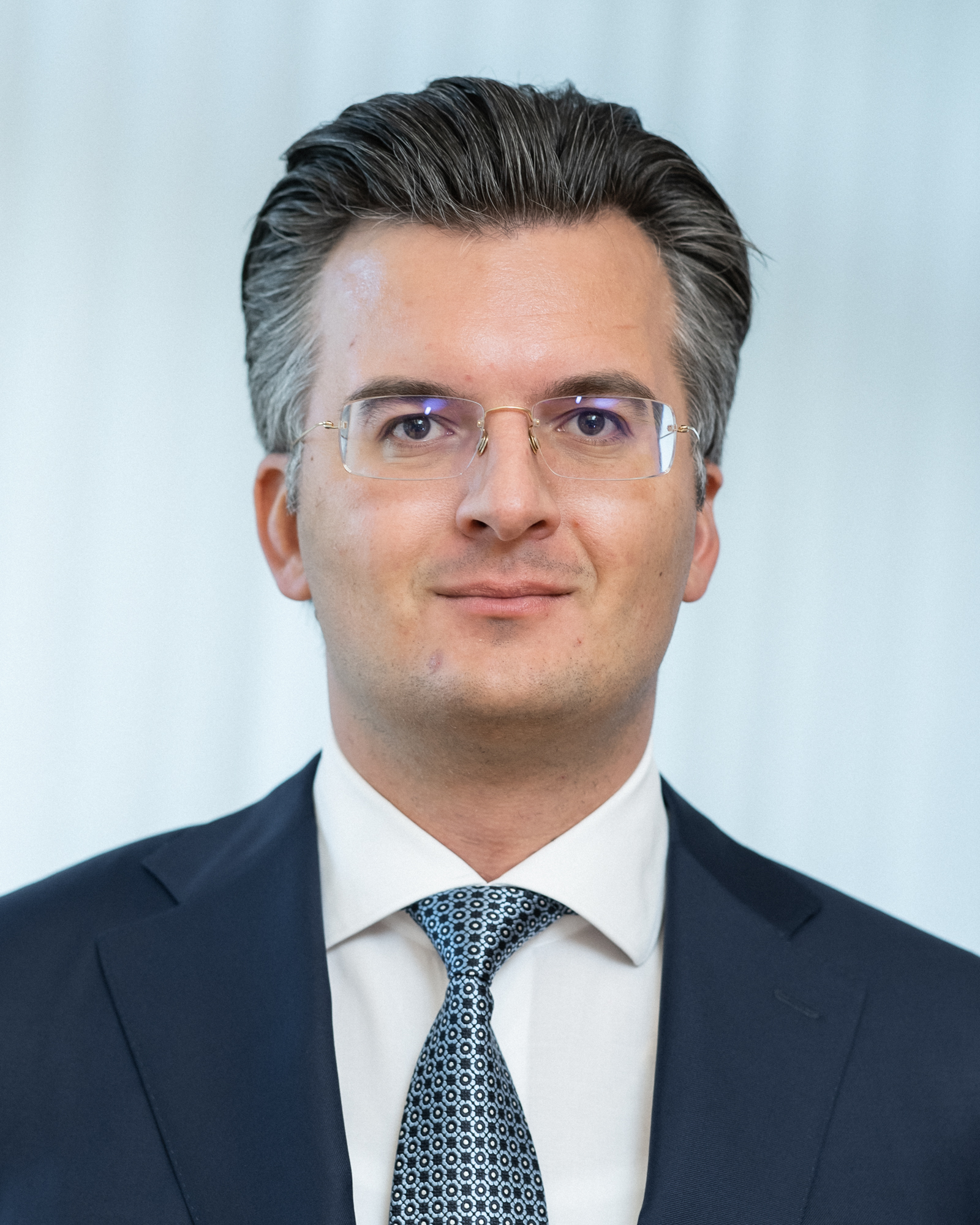 Tomas Baležentis
 Alfreda Šapkauskienė
 Arūnas Burinskas
 Viktorija Cohen
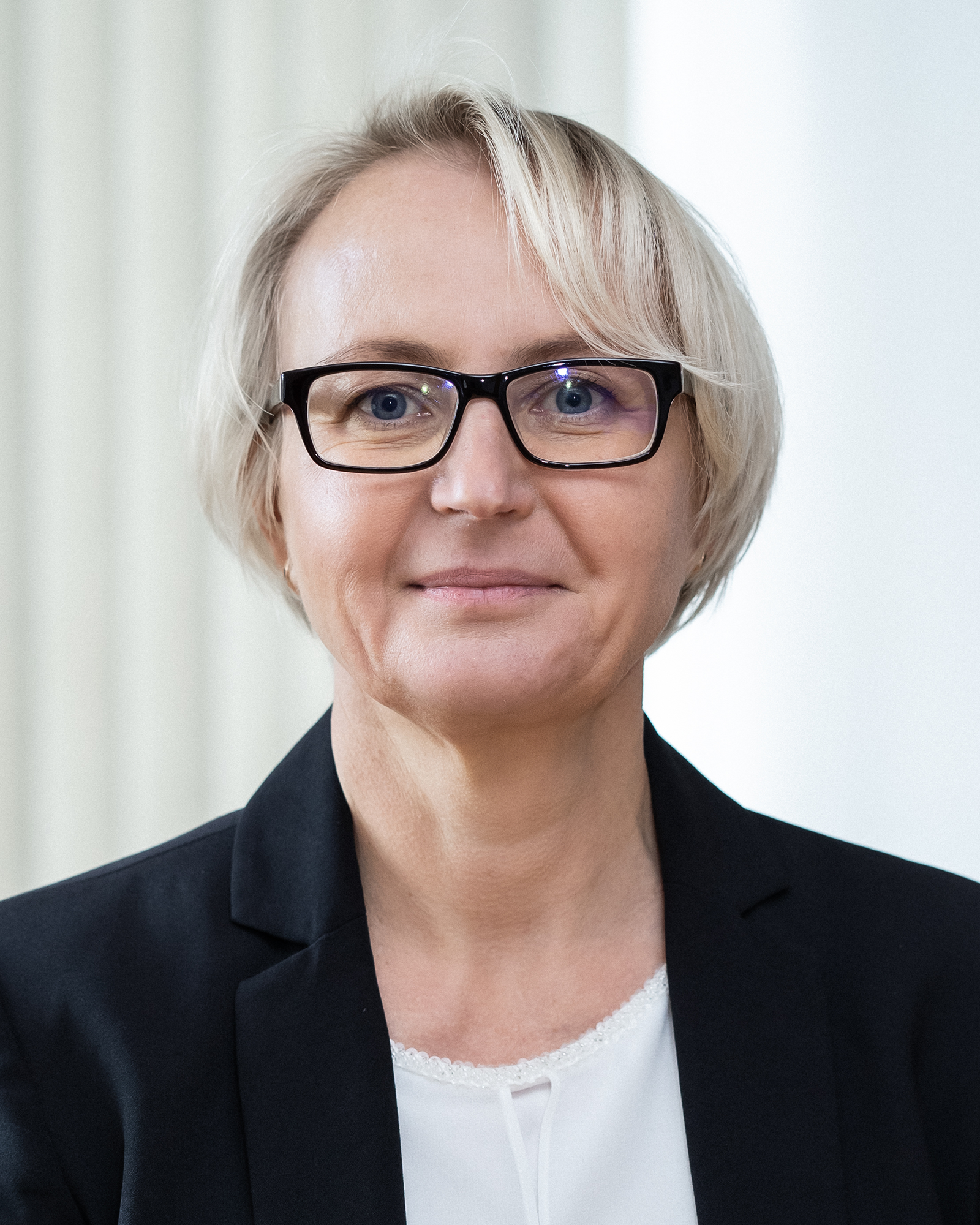 Estrida Ulvidienė
 Neringa Ramanauskė
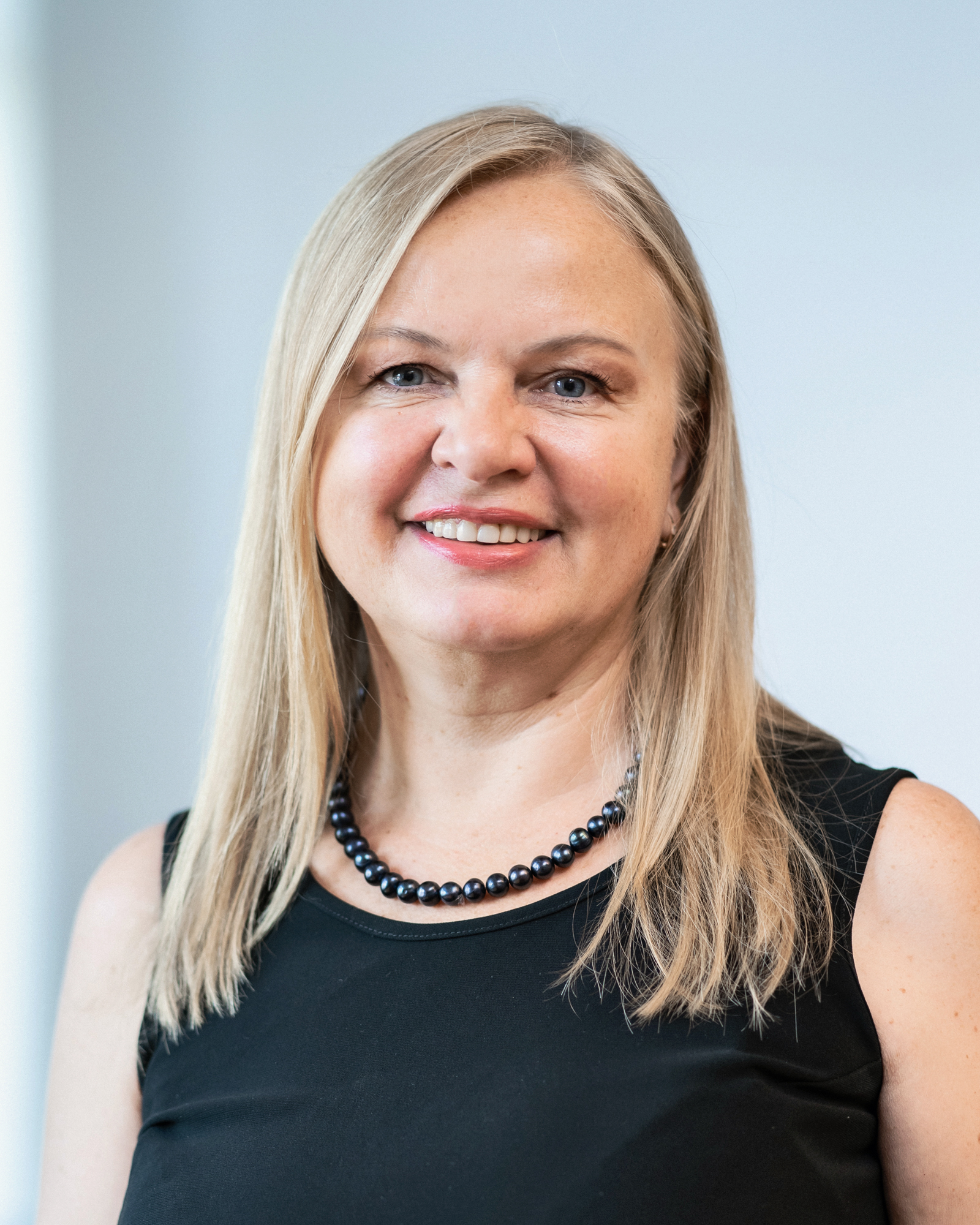 Gindrutė Kasnauskienė
 Šarūnas Eirošius
 Vaiva Petrylė
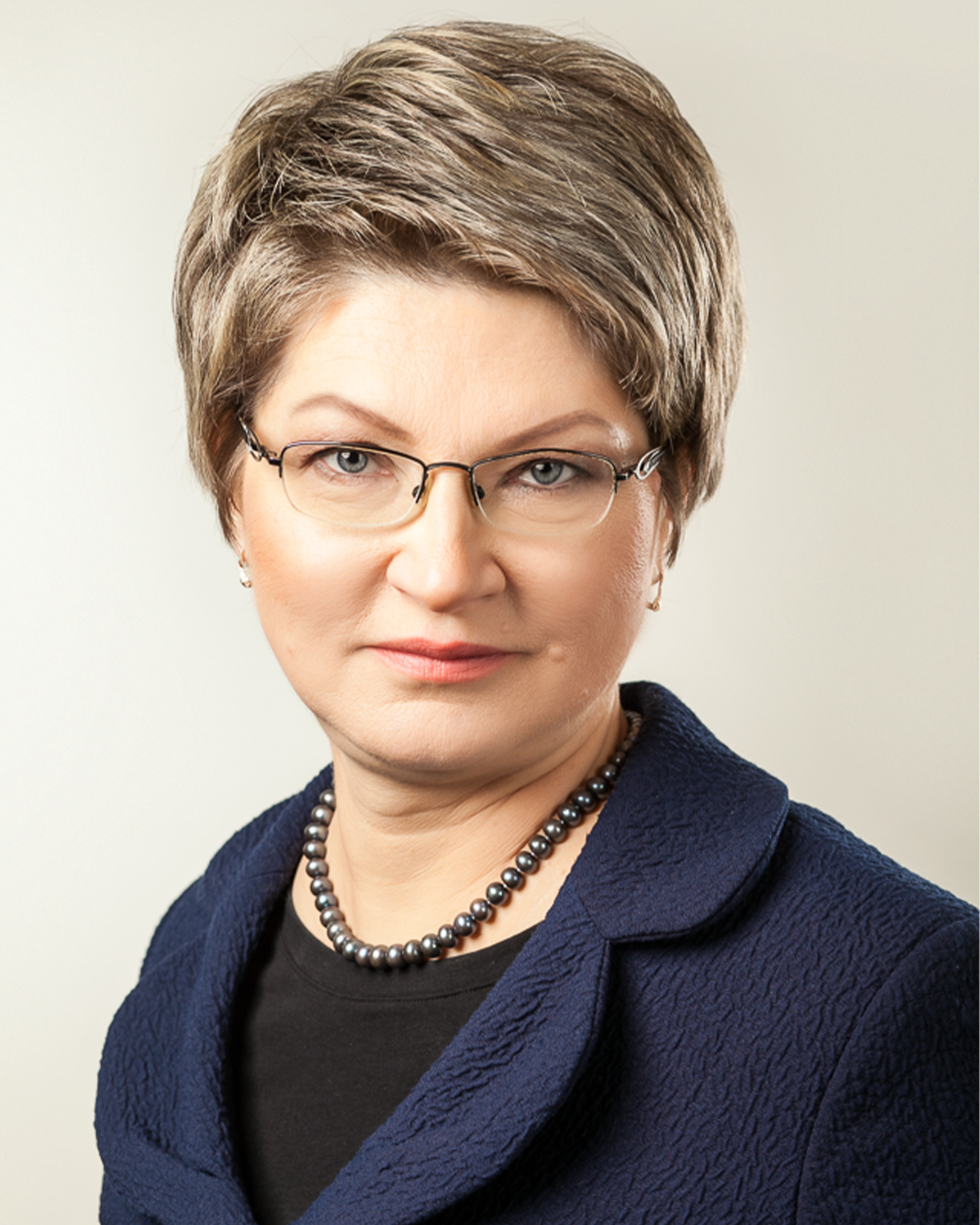 Rasa Kanapickienė
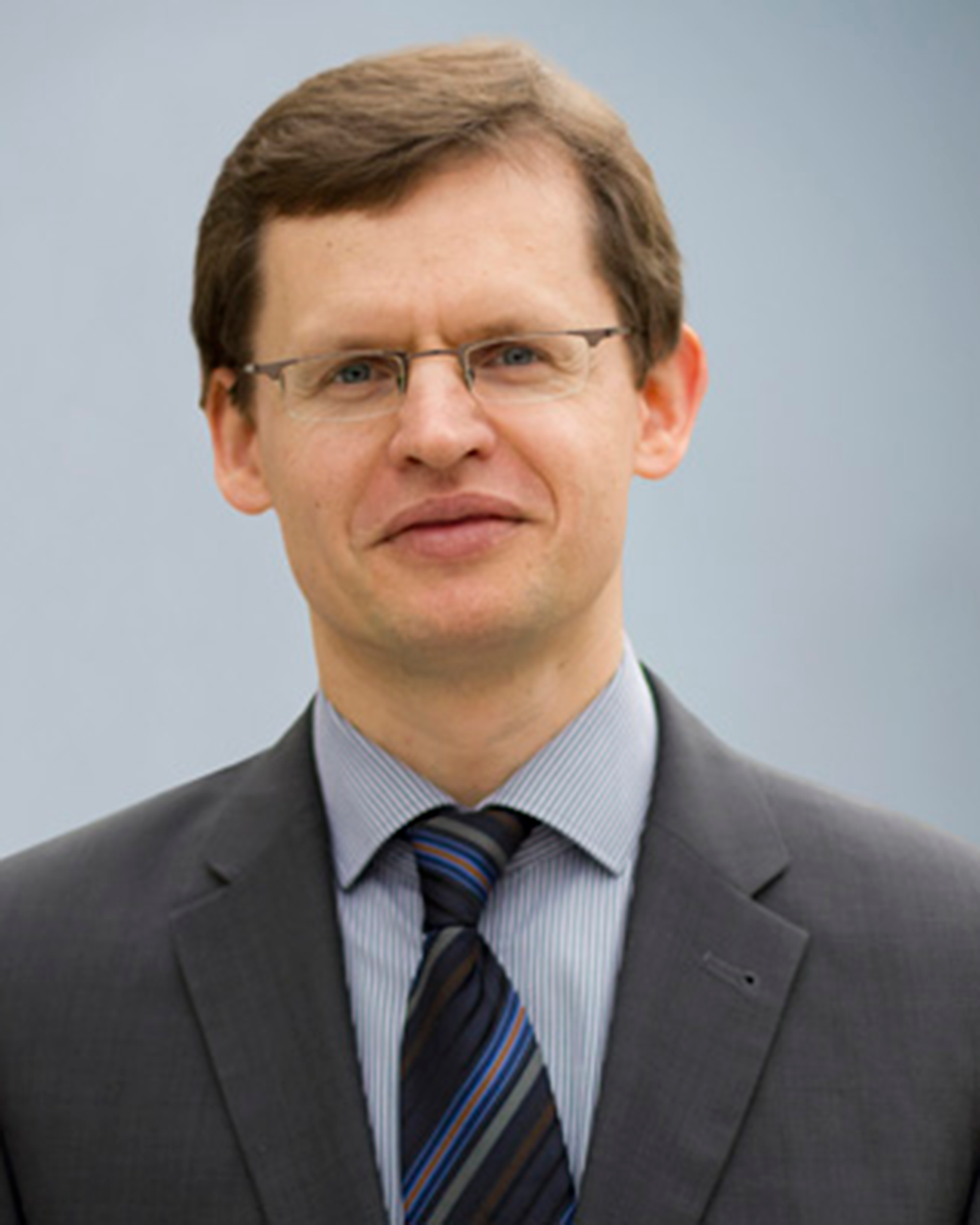 Sigitas Šiaudinis
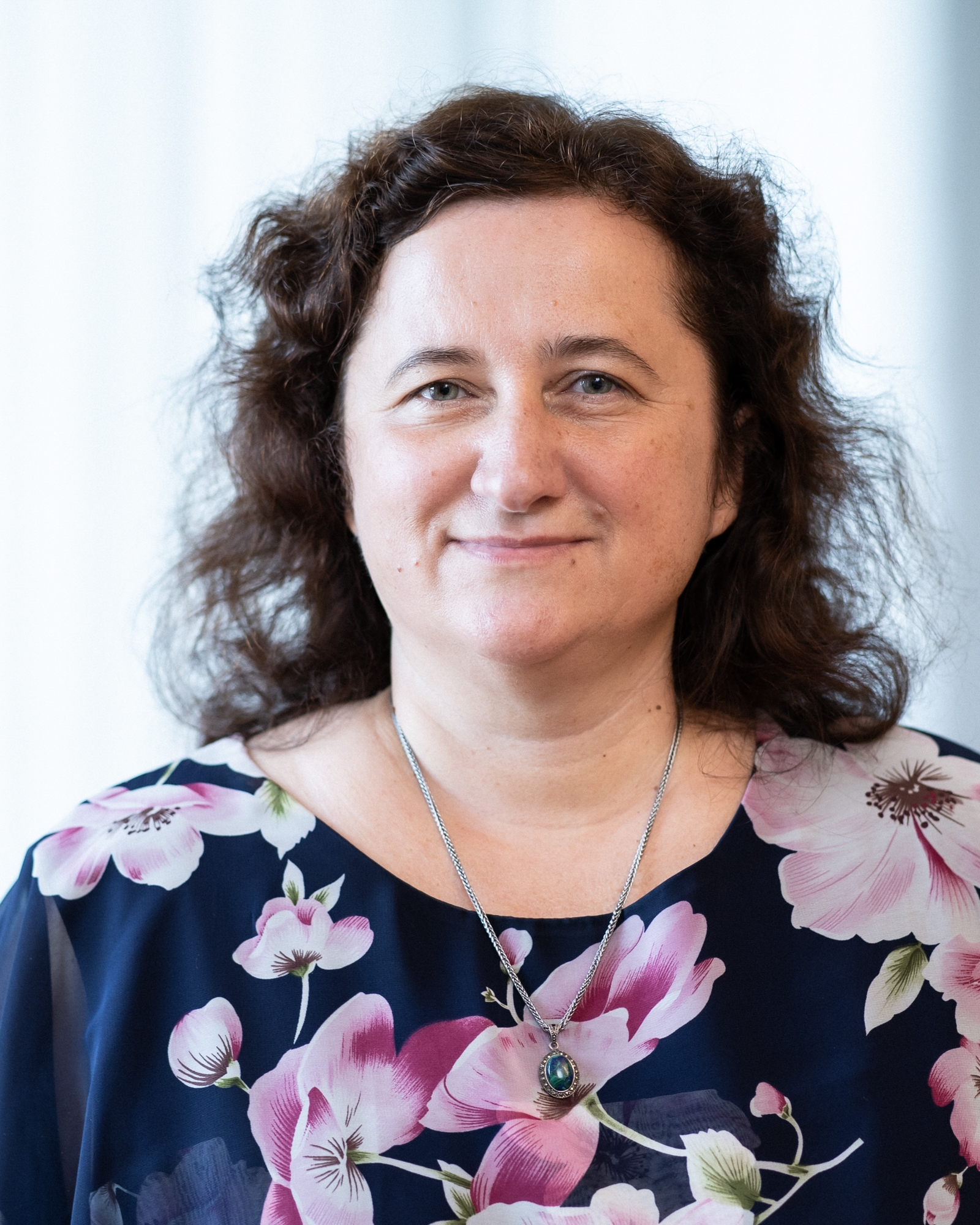 Agnė Laužadytė-Tutlienė
 Greta Keliuolytė-Staniulėnienė
Syllabus
Since 2023-2024 students enrolled in VU FEBA study programmes, students will have the opportunity to choose individual studies, which are integrated into each bachelor’s study programme.
Individual studies are studies freely selected by a bachelor’s degree student.
Students are able to choose in-depth courses in their major study field (programme), interdisciplinary courses or courses in a different field, general university courses, minor field studies, courses in a foreign language (other than the primary foreign language), partial studies or individual courses according to an agreed upon curriculum, when studying in a different Lithuanian and (or) foreign higher education institution.
Programme structure
| Subjects of study |
Credits |
|
Semester 1 Autumn |
| Compulsory Courses |
30.0 |
| Basics of Economics |
10.0 |
| Basics of Financial Accounting |
5.0 |
| English for Specific Purposes Proficient user level - C(1) |
5.0 |
| Introduction to Data Analysis |
5.0 |
| Mathematical Methods I |
5.0 |
|
Semester 2 Spring |
| Compulsory Courses |
25.0 |
| Fundamentals of Finance |
5.0 |
| Macroeconomics I |
5.0 |
| Mathematical Methods II |
5.0 |
| Microeconomics I |
5.0 |
| Statistics |
5.0 |
| Course unit (module) of Individual Studies |
5.0 |
|
Semester 3 Autumn |
| Compulsory Courses |
25.0 |
| Corporate Finance |
5.0 |
| Econometrics I |
5.0 |
| Financial Markets |
5.0 |
| Macroeconomics II |
5.0 |
| Microeconomics II |
5.0 |
| Course unit (module) of Individual Studies |
5.0 |
|
Semester 4 Spring |
| Compulsory Courses |
25.0 |
| Banking |
5.0 |
| Econometrics II |
5.0 |
| Environmental Economics |
5.0 |
| International Economics |
5.0 |
| Public Finance |
5.0 |
| Course unit (module) of Individual Studies |
5.0 |
|
Semester 5 Autumn |
| Compulsory Courses |
20.0 |
| Econometrics III |
5.0 |
| International Finance |
5.0 |
| Microeconomics III |
5.0 |
| Public Sector Economics |
5.0 |
| Course unit (module) of Individual Studies |
10.0 |
|
Semester 6 Spring |
| Compulsory Courses |
15.0 |
| Financial Technologies |
5.0 |
| Investment Portfolio Management |
5.0 |
| Macroeconomics III |
5.0 |
| Course unit (module) of Individual Studies |
15.0 |
|
Semester 7 Autumn |
| Compulsory Courses |
10.0 |
| Applied Economics |
5.0 |
| Financial Stability and Monetary Policy |
5.0 |
| Course unit (module) of Individual Studies |
20.0 |
|
Semester 8 Spring |
| Compulsory Courses |
30.0 |
| Bachelor Final Thesis (Study field: Economics) |
15.0 |
| Professional Practice |
15.0 |

Career Opportunities
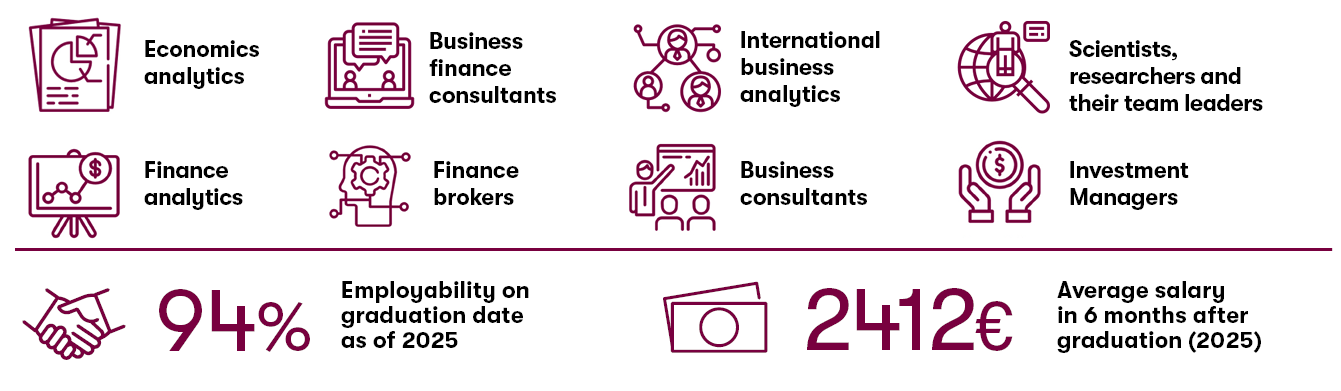
Study programme graduates’ employers

Tadas Peciukevičius
CFA, CJSC “SEB Investment Management” Chief executive
“The labour market is becoming more and more dynamic with each year. Skills that were necessary yesterday, may not be relevant today. However, the Economics and Finance programme at Vilnius University retains its relevance. In my experience, in the fields of investment management and banking, there is a constant lack of talent in Financial and Data analysis. Fundamental and universally acknowledge financial knowledge never loses its relevance and the ever-increasing volume of information being processed is forcing every market player to find ways for remaining competitive. The successful future of organisations is secured by people, while the successful future of people is secured by viable academic knowledge.”
Testimonials
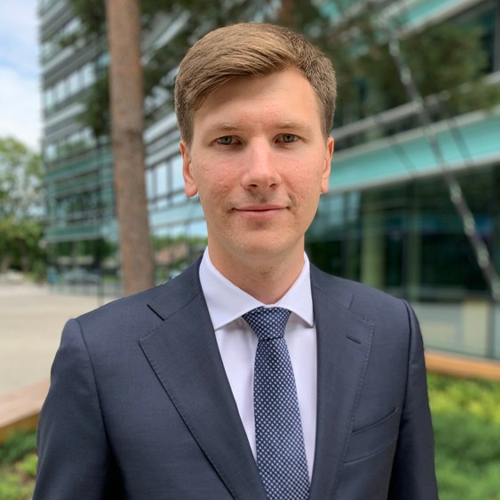
Donatas Trasevskis
CEO at 12eat
“Essentially, the most important thing that these studies provided for me are critical thinking skills and the ability to learn independently. From the perspective of the lifelong learning philosophy, these are very important skills, necessary for a modern person. The ability to collect, organize and analyse information, and to build knowledge or draw conclusions about global or business processes. These studies have laid the foundations for a broad range of career opportunities and have provided me with the tools for improving and constantly learning while pursuing a career or business. Of course, studying is a an integral part of social life, and I have met a lot of like-minded people during my studies, with whom I am still in contact today.”

Laima Juknevičiūtė
Executive Director, CJSC Brolis semiconductors
“Studying at VU FEBA allowed me to pursue ambitious goals. Studying was interesting, new, and sometimes difficult. What I appreciate the most, is that in addition to learning basic knowledge, the university taught me to be independent, to search for additional information myself, to go deeper, to analyse, and to adapt acquired knowledge for specific situations. These skills have been very useful in my professional career: flexibility, the courage to try new areas and the desire to continuously improve have truly aided me in my daily work.
We each take away what we need or want during our university studies.”

Algimantas Laurinavičius
Head of CJSC “Hanner”
“I graduated from the Faculty of Economics at Vilnius University in 2008. It was a high-level programme, which provided me with foundational knowledge in financial theory and taught me to apply it in practice for corporate financial management. I have consistently implemented this combination of theoretical knowledge and practical skills in my professional activities, and gradually, after moving through the positions of financial analyst and CFO, I have become what I am today – the head of the largest real estate development company in the Baltic States – CJSC Hanner.”
Fee and Finances
Annual tuition fee: 3660* Eur
The Dean of the Faculty may authorize the payment of tuition fees in instalments or a deferral of payment of the tuition fee. Requests for instalments or deferment of tuition fees are made in the e-Student environment.
In the event of termination of the study contract by the student, tuition fees corresponding to the annual tuition fee (the cost of the subjects studied) may be refunded in accordance with the procedure established by the Senate.
*Tuition fee might change insignificantly due to state regulations.
STUDENT FINANCES
More information about student finances at Vilnius University can be found here: https://www.vu.lt/en/students/services-for-students/finance

SCHOLARSHIPS
VU FEBA Admission Scholarship
Ten one-off Scholarships equal to 1000,00 EUR each will be awarded for the most motivated and competent international students applying to the Bachelor's and Master‘s programmes of Faculty of Economics and Business Administration.
The Scholarship is payable directly to the successful applicant after their arrival to study at Vilnius University Faculty of Economics and Business Administration.
Eligibility:
Candidate from any foreign country will be awarded after successful admission procedure and motivation interview to any Bachelor's and Master‘s study programme at Vilnius University Faculty of Economics and Business Administration. The ranking of best students will be made after motivation interview where students get points depending on their grades, motivation to study in Lithuania, Vilnius University and chosen study programme. If different students get same score, then grades average is compared, if also coincides the higher motivation score will be evaluated. To get the scholarship students must pay first tuition fee for their studies.
Scholarships To Get During the Study Period
All students of the University can apply for different scholarships during the study period. The way these scholarships are disbursed is stipulated by the Vilnius University Scholarship Regulations and the Lithuanian Law. More information
Incentive Scholarship – a monthly scholarship for students with excellent learning outcomes. The scholarship is granted for students every semester for the results of the previous semester – in March for the results of the Autumn semester and in October – for the results of the Spring semester.
The provided amount (60,00 EUR or 100,00 EUR) depends on the learning outcomes (the student's place in the rank of students each semester). Around 10 % of the course students get the incentive scholarship.
One-Off Social Scholarship – a scholarship, provided in the case of financial problems caused by such unfortunate events as the illness of the student or a family member, the death of a relative, natural disaster and so on. Applications for the scholarship can be filled at the eStudent environment anytime throughout the study period.
The size of the scholarship (from 80,00 EUR to 480,00 EUR) highly depends on how difficult the situation is to the applicant.
One-Off Earmarked Scholarship – a scholarship granted for students with relevant achievements in sports, cultural and scientific/social activities. The application for the scholarship with the required documents could be submitted to the eStudent environment until 25 March in the Spring semester and until 25 October in the Autumn semester.
The size of the scholarship (form 40,00 EUR to 600,00 EUR) depends on the achievements.
Nominal Scholarship – a scholarship granted for students based on certain fields of activity for their achievements or contributions in these fields. The grounds and principles of granting nominal scholarships are established in the regulations of a specific nominal scholarship and/or support agreement. Please contact the Academic Core Unit where you study to find out your options.
Social Scholarship – a scholarship (260,00 EUR) provided by the State Studies Foundation granted for students who meet at least one of these requirements:
– If they come from a family with a difficult financial situation;
– If their working ability is reduced to 45 % or more;
– If they are not older than 25 and have been granted guardianship before their full legal age.
You can only be granted the social scholarship if you as well are a citizen of a European Union (EU) of European Free Trade Association (EFTA) member country, or if you are an international student (citizen of non-EU or non-European Economic Area country) and have been granted permanent residency in Lithuania (not applicable for foreigners of Lithuanian origins).
The applications for social scholarships have to be submitted to the State Studies Foundation from the 15 September until 10 October in the Autumn semester and from 20 January until 20 February in the Spring semester. Please contact the State Studies Foundation for more detailed information.
Support for Foreigners of Lithuania
Social Scholarship – provided for students in a tender row based on the study programme and the year of studies, the form of the studies and the achievements. The scholarship (130,00 EUR) is granted each semester and is disbursed every month.
Social Disbursement – granted for foreigners of Lithuania who meet one of these requirements:
– Students of age 26 and under, whose both parents or guardians are dead (319,00 EUR);
– Students of age 26 and under, whose one of parents or guardians is dead (261,00 EUR);
– Students of age 26 and under, whose one of parents or guardians has a disability (232,00 EUR);
– Students of age 26 and under, who come from large families where at least 3 underage children or young adults (of age 26 and under) are enrolled on formal education programs (203,00 EUR).
The applications for social scholarships and social disbursements have to be submitted to the State Studies Foundation until September 30 in the Autumn semester and February 20 in the Spring semester. Please contact the State Studies Foundation for more detailed information.
State Scholarship for the Lithuanian Language and Culture Courses
Education Exchanges Support Foundation takes pleasure in offering Lithuanian state scholarships for students, lecturers and researchers of foreign countries to attend Lithuanian language and culture courses.
More information.
For Students




Students of this program choose their own places for internships, but the faculty, in cooperation with various business companies and state institutions, offers the opportunity to carry out internships according to signed partnership agreements. In the table you will find information about the opportunities for this study program and contacts where students can apply for internships directly.
|

Loreta Magilevičiūtė
+370 6 588 9380
|

Jekaterina Šarmavičienė
|
Agnė Valentaitė
+37067468605
|

Živilė Katkauskė
+370 637 58437
|

Agnė Kynienė
Kristina Valiaugaitė
|

Evelina Masalskaitė
|
|

Jūratė Žarnovskienė
|

Rūta Urbanienė
+370 608 93 818
|

Indrė Kukučionienė
+370 5 249 0830
|

Audra Kondrotė
+370 686 35653
|

Vaiva Valiulytė
Giedrė Ramanauskaitė
|

Karolina Vikšraitė
+37063709609
|
| |
|
|
|
|
|