MBA Business development
The MBA Business Development programme is designed for middle-level managers seeking to learn how to make strategically grounded decisions and purposefully grow organizations. The programme focuses on real business situations in which operations are analysed, opportunities are evaluated, and long-term value is created.
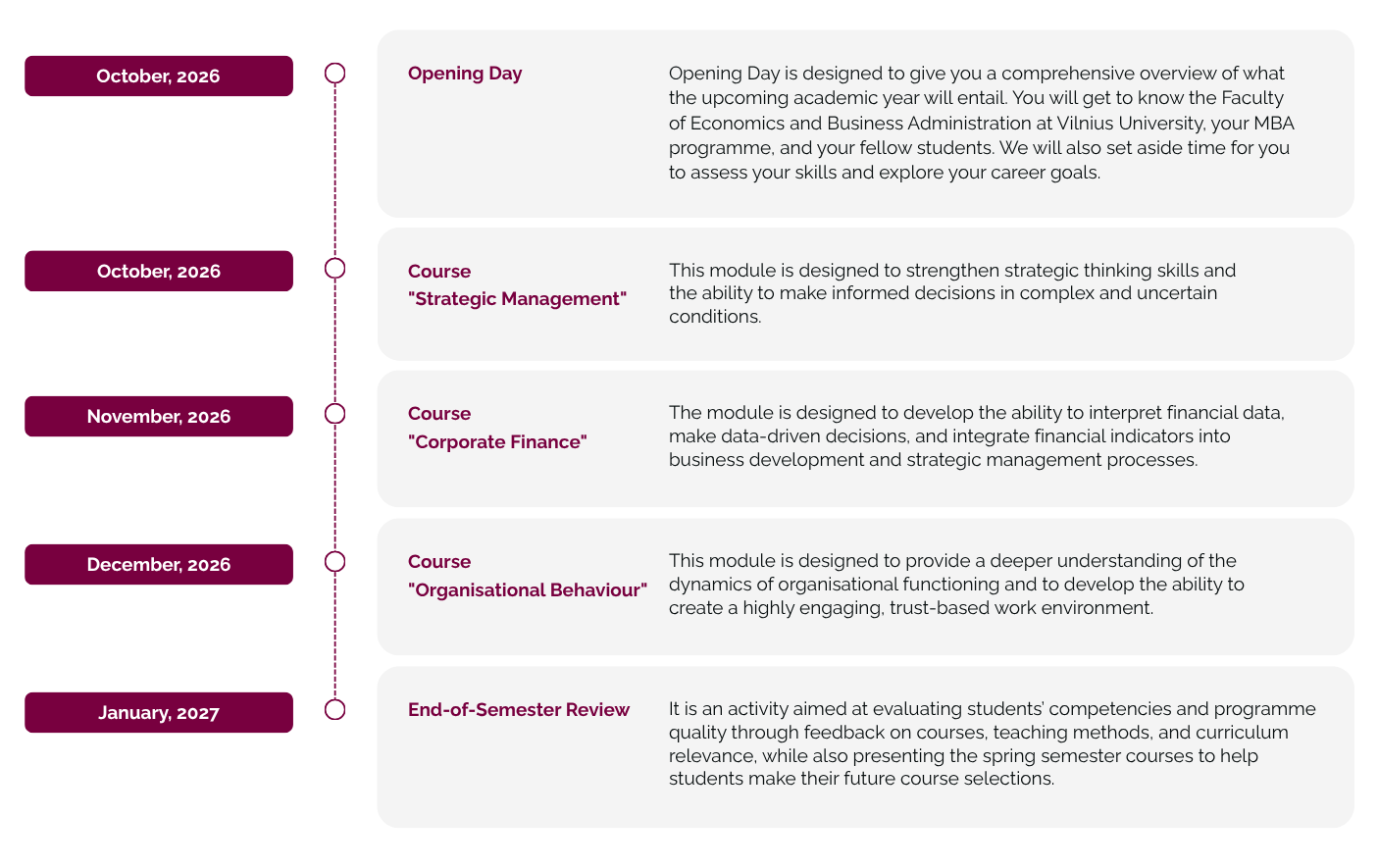
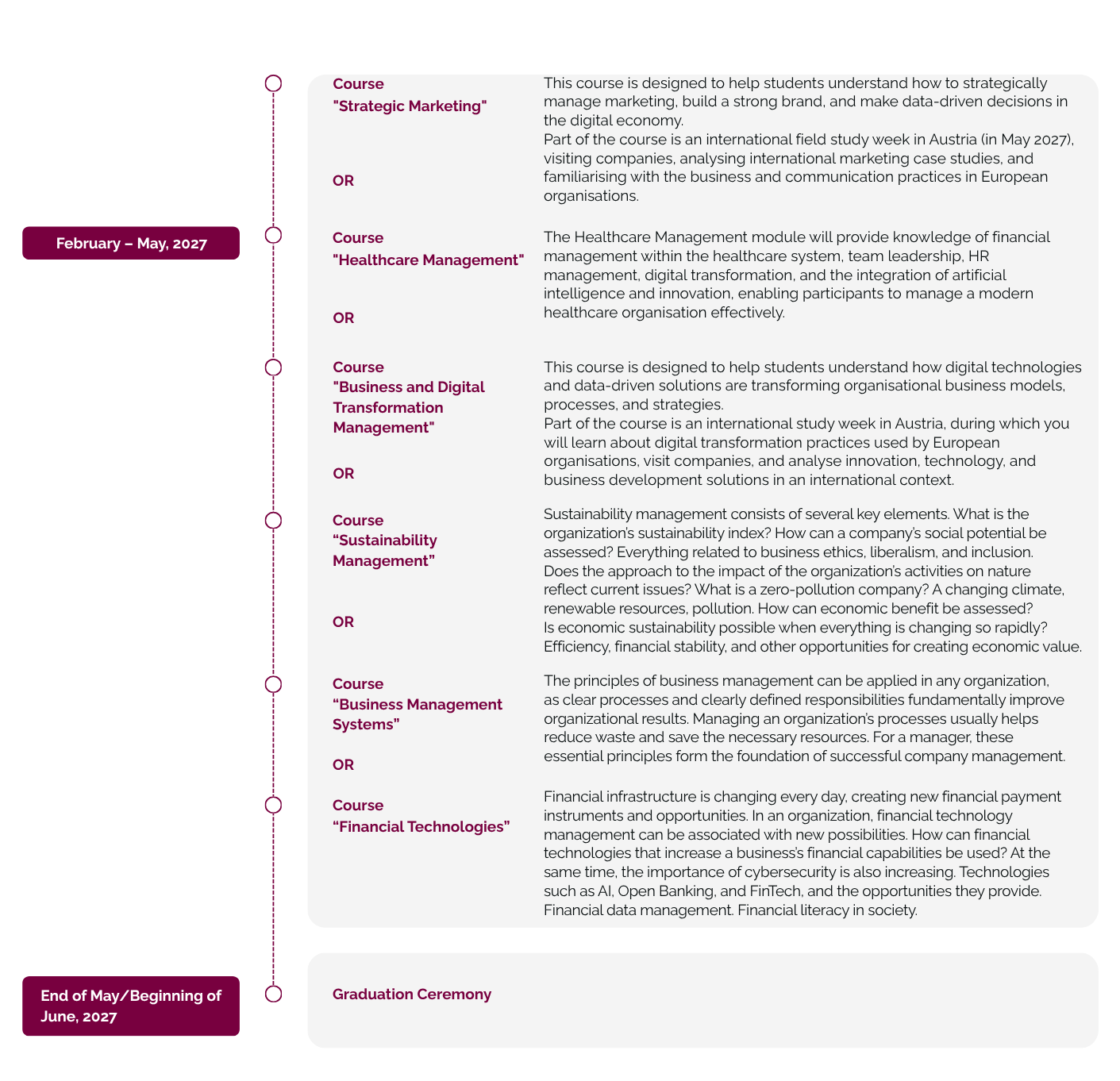
The studies are built around three essential areas – strategic management, business finance, and organizational behavior – providing a systematic understanding of business and the ability to make complex decisions. In later modules, students deepen their knowledge in the fields of strategic marketing, digital transformation, sustainable management, business processes, and financial technologies.
Exclusive Offer for Applicants in 2026 – Vienna University of Economics and Business Executive Academy
The study visit in early May 2027 will be coordinated by representatives of the WU Executive Academy and will take place in Vienna. WU Executive Academy is ranked #9 worldwide by the Financial Times, #1 in the Industriemagazin Seminar Provider Ranking 2025, and #12 in the QS Executive MBA Ranking 2024. More than 3,300 professionals have completed programmes at the WU Executive Academy.
The visit to Vienna will include a one-week academic programme, during which students will gain insights into Austrian business practices through company visits and in-depth analysis of outstanding business case studies, discussing best practices and key challenges together with faculty members. This visit will be fully integrated into the second-semester course, making it an especially important part of the programme.

Study Modules
Strategic Management
Strategic management is one of the most important managerial competencies, determining an organization’s ability to grow, adapt to change, and create long-term value. This module examines contemporary principles of strategy development and implementation, the impact of strategic choices on organizational performance, and decision-making in a complex business environment.
The module develops the ability to systematically assess business situations, identify growth opportunities, and make well-founded strategic decisions under conditions of uncertainty and intense competition. It strengthens strategic thinking, leadership competencies, and the ability to build a sustainable competitive advantage in the global marketplace through:
- Developing future-oriented strategic insights – identifying priority business areas in a VUCA environment: volatility, uncertainty, complexity, and ambiguity;
- Applying Blue Ocean Strategy tools – helping to identify strategic solutions to the challenges posed by uncertain environments;
- Planning global expansion – selecting strategies for entering and expanding into foreign markets;
- Building a culture of strategic decision-making – creating a sustainable decision-making architecture and fostering an inclusive organization.
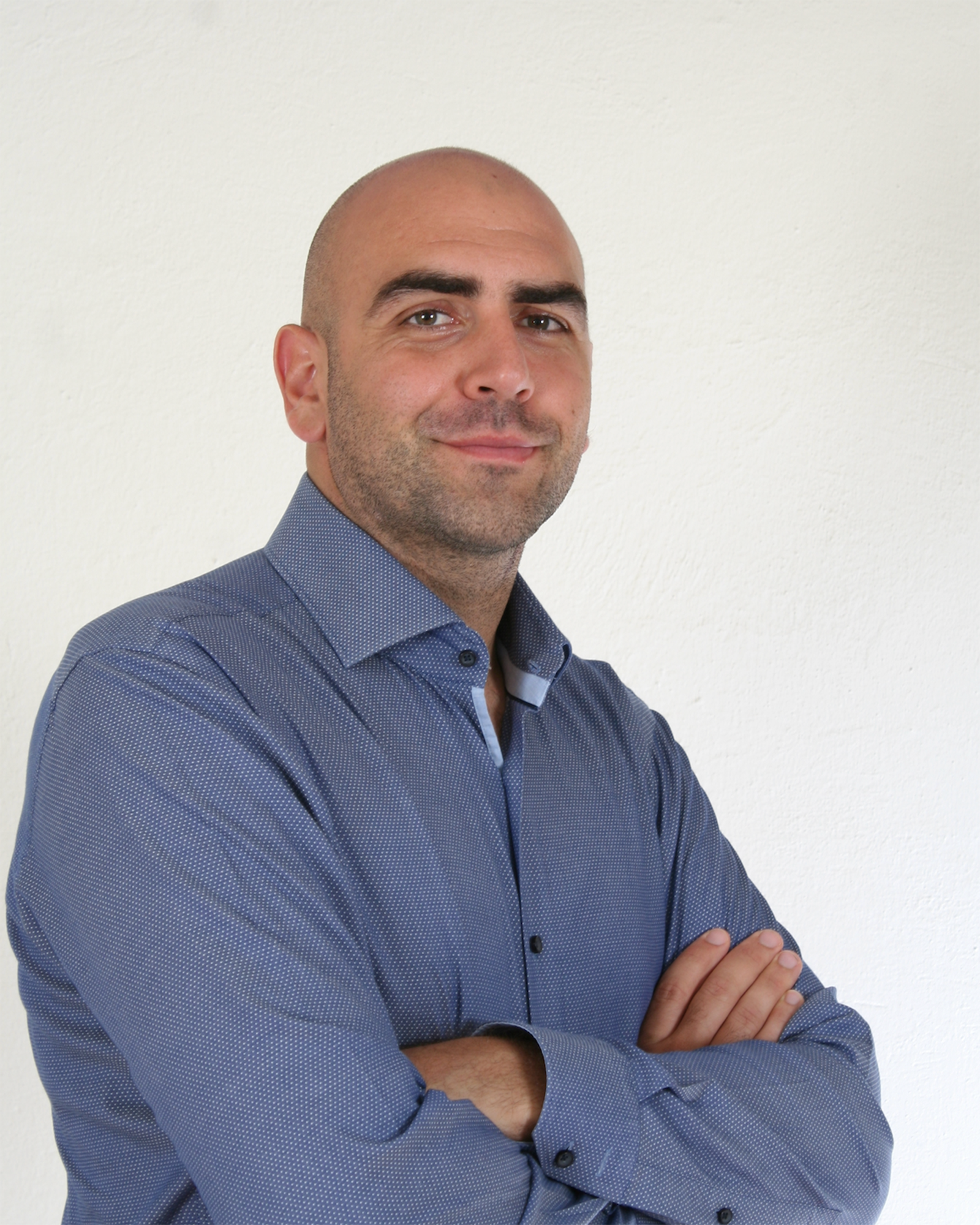
Head of the Strategic Management Module – Assoc. prof. dr. Erika Vaiginienė
Foresight Strategist and Researcher, Change Management and Strategic Management professional, and Policy Maker with 25+ years of experience working in synergy with the academic and business worlds. Her purpose is to create innovations and shape the future by leveraging research, analytics, and strategic foresight methods to positively impact business, society, and individuals. She embodies this purpose through honesty, fairness, responsibility, and strong commitment.
Corporate Finance
Financial decisions have a direct impact on an organization’s growth, competitiveness, and long-term value. For this reason, financial management in the MBA programme is examined not only as a functional area of knowledge, but also as one of the key managerial competencies required to make sound strategic decisions.
The module develops the ability to analyse financial indicators, assess the impact of business performance on organizational value, and make decisions related to investment, financing, and business development. Practical learning in the Bloomberg LAB environment and business case analysis provide a deeper understanding of how financial markets operate and why financial decisions matter in today’s business environment.
This module translates financial data into the language of managerial decision-making, enabling every strategic move to be supported by numbers:
- Analysing the organization’s financial health – looking beyond the numbers to identify underlying performance trends, risks, and opportunities.
- Making data-driven financial decisions – integrating financial indicators into everyday decision-making to ensure that decisions are well-founded.
- Improving resource management – managing budgets professionally and allocating capital where it creates the greatest return.
- Assessing return on investment and other indicators – critically evaluating investments and their impact on the company’s long-term value.

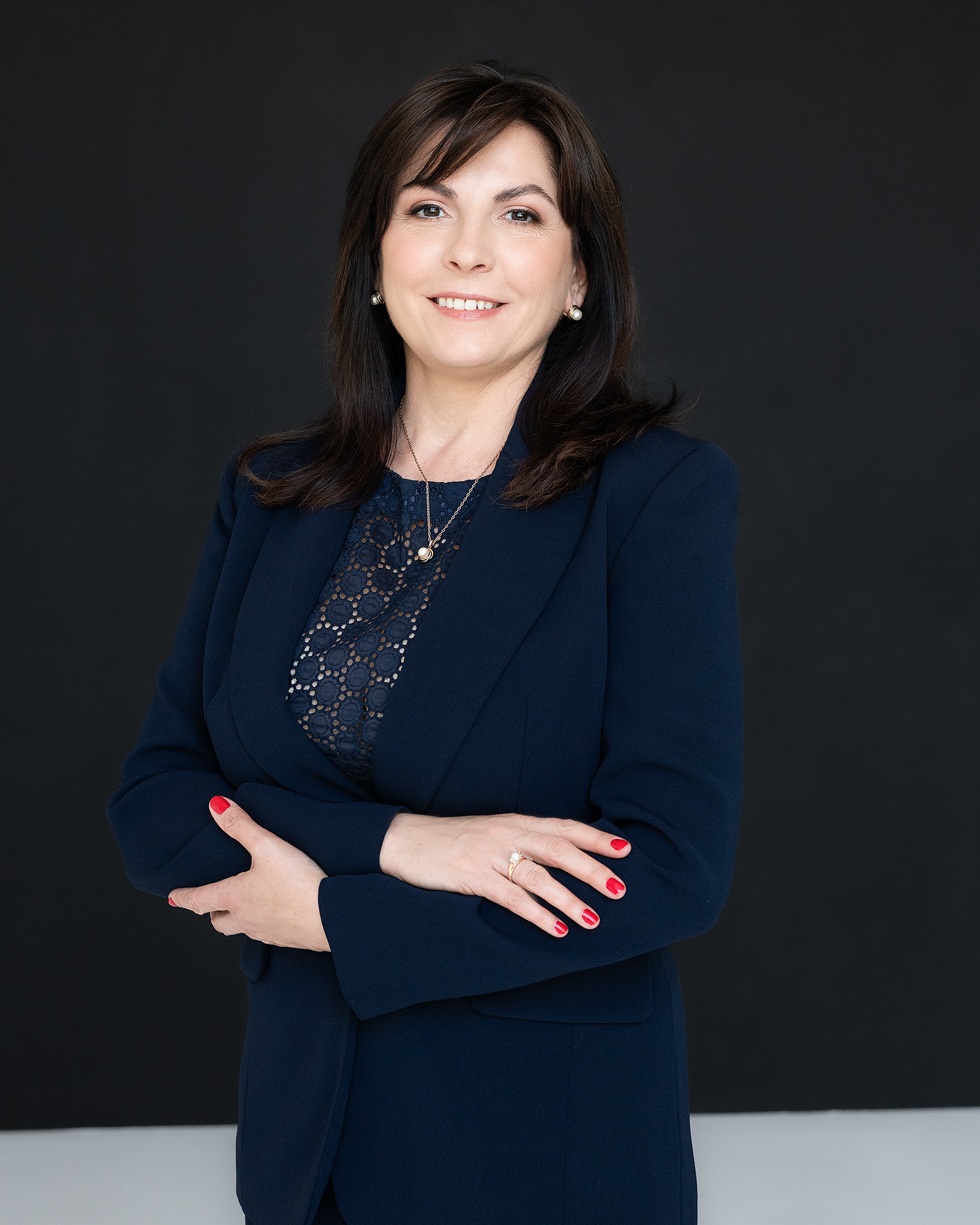
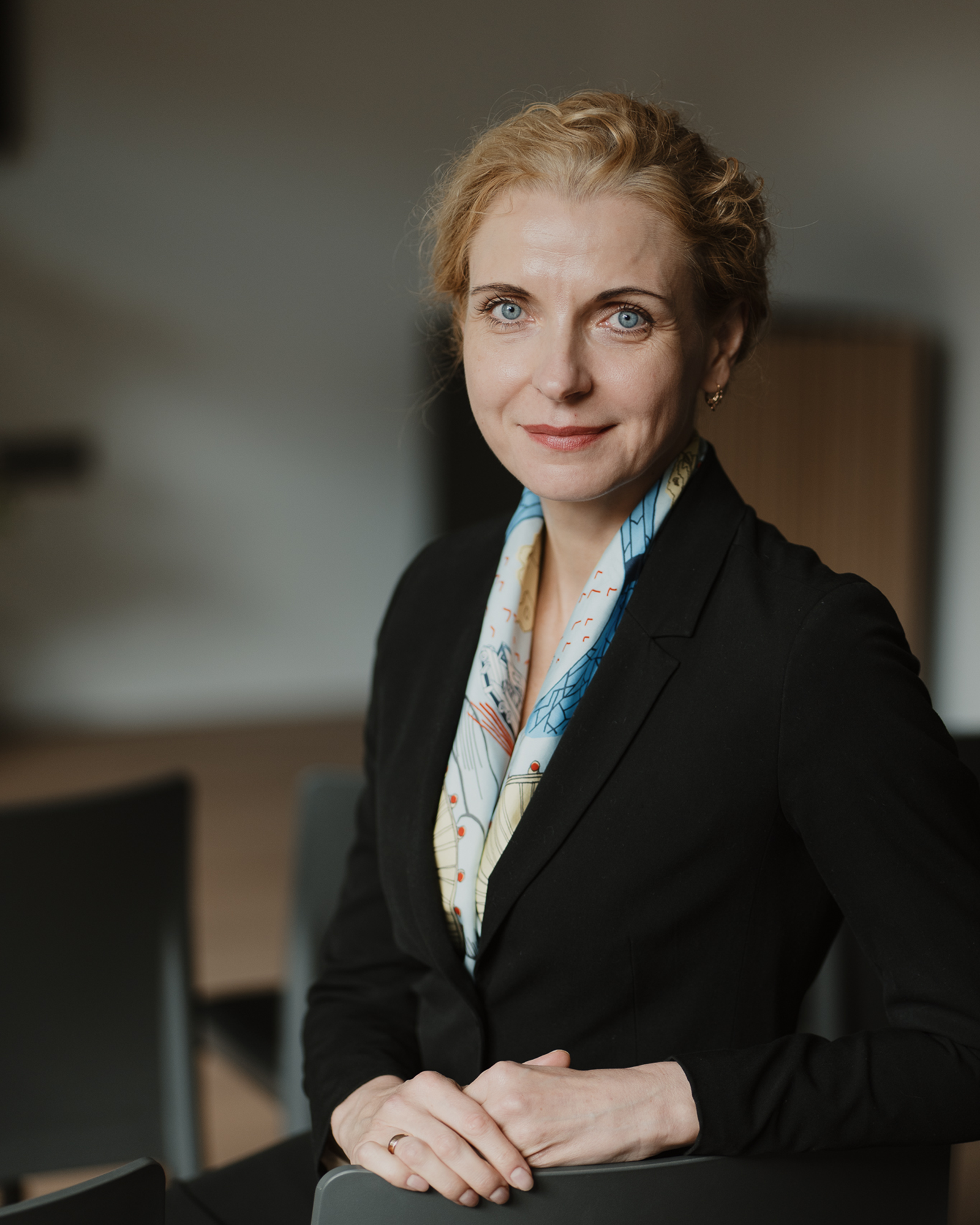
Head of the Corporate Finance Module – Prof. dr. Jelena Stankevičienė
Professor in the Department of Finance at Vilnius University. Her research focuses on green finance, SDGs and financial management for value creation. She is Editor-in-Chief of the Scopus-indexed journal Ekonomika, has over 20 years of leadership experience, and has published more than 70 scientific papers.
Organizational Behavior
This module examines how employee motivation, engagement, interpersonal relationships, and organizational behaviour influence organizational effectiveness and long-term performance.
The module explores contemporary principles of organizational management, the impact of leadership on organizational culture, employee behaviour patterns, and motivation practices. It develops the ability to create an environment that encourages collaboration, accountability, innovation, and high organizational performance.
Particular attention is given to the manager’s role in leading change, strengthening organizational culture, and building results-oriented teams. The module focuses on:
- Understanding behavioural patterns – identifying the real reasons behind employee actions.
- Building high-performing teams – bringing together individual talents around a shared goal.
- Managing conflict strategically – turning tension and opposition into constructive growth.
- Developing organizational culture – creating a values-based working environment.

Head of the Organizational Behavior Module – Assoc. Prof. dr. Rasa Paulienė
Associate professor at Vilnius University specializing in leadership, power dynamics, conflict management, and negotiations in organizations. Her research focuses on ethical leadership, gender equality, and organizational behavior, and she actively contributes to the international academic community through conferences, editorial work, and peer review. She has extensive experience in executive and faculty training and collaborates with public and private organizations on leadership and workplace well‑being.
Strategic Marketing
This module examines contemporary principles of strategic marketing, customer behaviour analysis, brand development, data-driven marketing decisions, and the management of digital communication in the age of social media and artificial intelligence.
Through discussions, simulations, and practical business case analysis, the module develops the ability to design effective marketing strategies, strengthen an organization’s competitive advantage, and make decisions focused on sustainable business growth.
This module transforms marketing from a cost line into a long-term business development tool by integrating consumer insights into profitable action:
- Creating a unique value proposition – identifying competitive advantages and defining the target audience.
- Understanding the psychology of consumer behaviour – analysing market segments and customer needs to create experiences that build loyalty.
- Managing marketing effectiveness – applying analytical tools to ensure that every marketing euro is measured and contributes to business growth.
- Designing, managing, and ensuring integrated marketing action plans – creating synergy between brand positioning, sales channels, and market expansion strategies.

Associate Professor at VU FEBA. She is a board and honorary member of the Lithuanian Marketing Association (LiMA), recognized for her long-term contribution to the development of the marketing profession. She is also a co-author of the textbook Consumer Behaviour.
Business and Digital Transformation Management
This module examines the principles of business digital transformation, the impact of technology on organizational performance, data-driven decision-making, and the application of digital innovation in creating organizational value and competitive advantage.
The module develops the ability to design and implement digital transformation strategies, manage organizational change, and integrate technological solutions into business growth and operational efficiency processes through:
- Integrating data analytics and artificial intelligence (AI) – leveraging advanced technologies in decision-making processes and the automation of business operations.
- Managing systemic change – navigating uncertainty and ensuring smooth business adaptation to a new operational reality.
- Creating future-ready operating models – redesigning company processes and structures to make them flexible, efficient, and resilient to market dynamics.

Head of the Business and Digital Transformation Management Module – Assoc. Prof. dr. Jurgita Butkevičienė
Lecturers of the Business and Digital Transformation Management Module
Tuition Fee and Admission Requirements
Annual Tuition Fee: 12 600 Eur
Don’t forget that you can take advantage of the personal income tax (GPM) relief and recover part of your tuition fees.
More about the Personal Income Tax (GPM) Relief
Tuition fees may be included in deductible expenses that reduce taxable income, meaning that part of the personal income tax (GPM) paid can be reclaimed. Depending on an individual’s income, up to 20% of the actual tuition fee paid may be recovered.
The tax relief is applied when declaring annual income through the State Tax Inspectorate’s (VMI) electronic declaration system. The refund is transferred to the specified bank account, and the income declaration must be submitted by May 1 of the following year.
The relief can be claimed regardless of how many times a person has studied or how many qualification degrees have already been obtained.
It is important to note that the total amount of expenses that may reduce taxable income cannot exceed 25% of annual taxable income, therefore the final refundable amount depends on the individual situation.
The relief applies not only to tuition fees paid directly, but also to the repayment of student loans – personal income tax (GPM) may be reclaimed based on the actual loan repayments made during the year.
Calculation Principle
(Income−MNPD)×0.25×0.2
(MNPD) - Annual Minimum Non-Taxable Income Amount
This formula shows the maximum amount of personal income tax (GPM) that can be reclaimed, taking into account the applicable limits.
MBA BUSINESS DEVELOPMENT ADMISSION REQUIREMENTS
Applicants may apply to the study programme if they meet at least one of the following requirements and satisfy the motivational assessment criteria:
1. A university bachelor’s degree diploma
Applicants who have completed university bachelor’s studies in any field of study may apply to the programme if they:
- Have acquired at least 3 years of managerial work experience after completing their bachelor’s degree and provide documents confirming the acquired experience;
- Participate in a motivational interview;
- The admission score is calculated based on the grade of the final thesis and/or final examination (or their average), as well as the weighted average of grades listed in the diploma supplement.
2. A professional bachelor’s degree diploma and supplementary studies
Applicants who have completed professional bachelor’s studies and supplementary studies at the Faculty of Economics and Business Administration of Vilnius University may apply to the programme if they:
- Have acquired at least 3 years of managerial work experience after completing their bachelor’s degree and provide documents confirming the acquired experience;
- Participate in a motivational interview;
- The admission score is calculated based on the grade of the final thesis and/or final examination (or their average), the weighted average of grades listed in the diploma supplement, and the average grade of the supplementary study subjects.
3. A professional bachelor’s degree diploma and a master’s degree diploma
Applicants who have completed professional bachelor’s studies and master’s studies in any field may apply to the programme if they:
- Have acquired at least 3 years of managerial work experience after completing their bachelor’s degree and provide documents confirming the acquired experience;
- Participate in a motivational interview;
- The admission score is calculated based on the grade of the final thesis and/or final examination (or their average), as well as the weighted average of grades listed in the diploma supplement.
Motivational Interview
All applicants to the MBA Business Development programme are required to participate in a motivational interview. During the interview, the applicant’s motivation to study, professional experience, ability to make independent decisions, solve problems, work in a team, adapt to complex situations, and other relevant competencies are assessed. Please refer to the motivation assessment procedure for more information.
MBA BUSINESS DEVELOPMENT ADMISSION SCORE STRUCTURE
F.A.Q
What is an MBA programme?
An MBA is a business management education programme designed to expand and strengthen existing knowledge with a strong focus on its practical application in professional environments. Rather than concentrating on theories and lengthy textbooks, the programme emphasises the development of real-world managerial and leadership skills.
Why should I pursue an MBA?
An MBA degree can open up new career opportunities, help you build a diverse professional network, and provide the skills and knowledge needed to successfully hold leadership positions in national and international business organisations and government institutions, or to grow your own business. In addition, an MBA degree can increase your earning potential and accelerate your career advancement.
What makes the MBA Business Development programme unique?
The MBA Business Development programme offers an intensive and practice-oriented learning experience covering key areas of business development through modular teaching, internationally experienced instructors and business practitioners, study visits to international companies, and a modern learning environment that supports professional networking.
How can managers successfully complete the MBA programme?
The MBA programme is designed for working professionals. The faculty’s study infrastructure and the university’s virtual learning environment allow students to access course materials via smartphones or tablets, enabling them to conveniently balance their studies with their work commitments.
How are students evaluated during the MBA Business Development?
We use a cumulative grading approach to assess student progress and performance: active engagement in classroom discussions and online meetings, individual assignments, group projects, simulations, etc. This cumulative grading method ensures that students develop both their individual capabilities and teamwork skills effectively.
What degree will I earn upon completing the MBA Business Development?
Upon completing the MBA Business Development, students earn a degree, Master of Business Administration.
What are my options for further study?
Graduates of the MBA in Business Development program may continue their studies in a doctoral program in management, if the doctoral admission requirements allow, or independently deepen their knowledge and professional skills by taking advantage of lifelong learning opportunities.
Schedule
- In the Autumn semester: 2 online sessions per month + 2 in-person sessions per month (on Fridays and Saturdays).
- In the Spring semester: 2 in-person sessions per month. The Spring semester course will include a one-week visit to the Vienna University of Economics and Business (WU Executive Academy) as well as company visits.
AUTUMN SEMESTER

SPRING SEMESTER