

Why is the phrase “social business” feared in post-Soviet states? Shouldn’t we shake this “legacy” off and start thinking as Europeans that we are?
Less known Davos themes, however relevant to prosperity, sustainability and resilience of Europe, include social economy, social innovation and social business. The latter are talked about in and around Europe as “social enterprises” but the phrase which amassed notoriety in Lithuania due to abuses of the system by “socialinės įmonės”. We refer to social innovations as something relevant to the public sector and only financed with the European Union funds when social innovations are frequent even in corporate culture (Daniel Nowack, Head of Social Innovation, Schwab Foundation & World Economic Forum, January 20th on LinkedIn). Dr. Ieva Žebrytė of VU FEBA is an expert in social economy organisations ranging from associations and public institutions to foundations and social business entities. These are recognised for prioritising social or environmental benefit over profit, reinvesting earned funds into their mission, operating democratically, and addressing social or environmental challenges through commercial/economic activity.
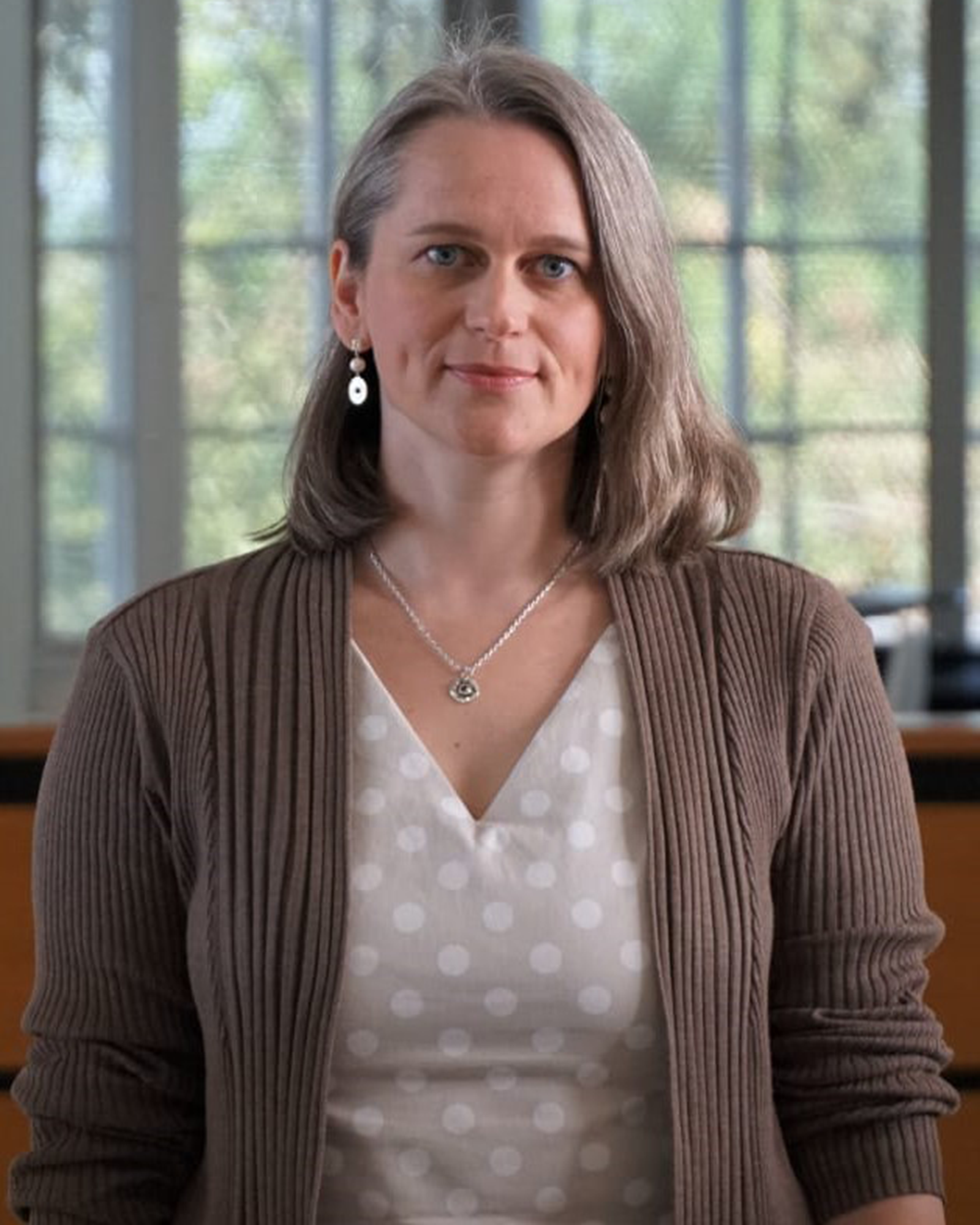 Dr. Ieva Žebrytė
Before Davos the good news came out of the government of Lithuania, namely about it moving forward with surfacing social economy, social innovation and social business into the mainstream of socioeconomic development debates. A coalition of eight Lithuanian ministries has signed a memorandum committing to the coordinated development of a national Social Economy Strategy. The agreement brings together SADM, EIMIN, AM, KM, FM, ŠMSM, VRM and ŽŪM to create supportive conditions for a strong, sustainable and inclusive social economy in Lithuania. The memorandum also aligns Lithuania with the 2023 EU Council Recommendation calling on Member States to strengthen legal, policy and institutional frameworks for social economy development. New EU Council Recommendation on the Social Economy Action Plan is expected in 2026.
Now the real work begins for Lithuania: in 2026, an interinstitutional working group will be formed to prepare the Social Economy Strategy and consult with target groups. My hope – and also my invitation – is that this process will:
- involve practitioners from different Lithuanian regions and sectors as equal partners,
- listen carefully to micro and small organisations, not only the largest and loudest voices,
- draw on research and evidence from Lithuanian and international studies on social enterprises, community initiatives and entrepreneurship as practice,
- remain attentive to the everyday realities of those who try to build sustainable, mission-driven organisations under real constraints.
At Vilnius University’s Faculty of Economics and Business Administration, we see this as a crucial moment to connect research, teaching and policy. Our students are increasingly interested in purpose-driven entrepreneurship and in social innovation. Our research is already documenting how social enterprises and local initiatives actually work in practice.
If we are serious about Europe’s competitiveness, about inclusion and resilience, we must start treating social economy not as an ideological inheritance from the past, but as a pragmatic and future‑oriented part of Lithuania’s cultural and socioeconomic development model. What would you most like to see in the forthcoming Lithuanian Social Economy Strategy?